Need emergency tree removal in Cedar Lake?
Describe the tree and the problem, and we will pass your request to a local provider. Email contact@lockedproblem.garden or request an estimate with no obligation.
No obligation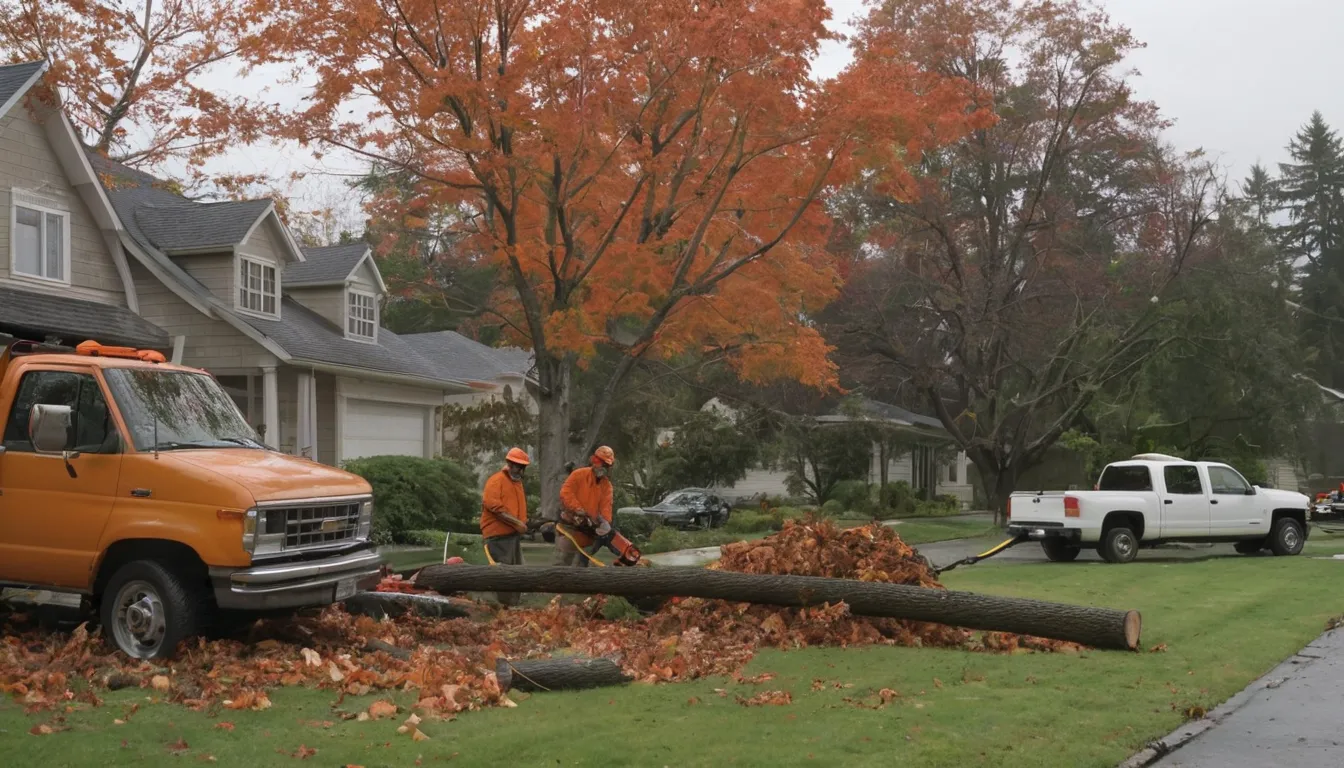
When a tree comes down or splits, you need a clear plan and a qualified provider to carry it out. Lockedproblem Tree Service is a referral service that connects homeowners in Cedar Lake and the Cedar Lake area with independent local tree removal providers. We do not cut, climb or haul. The provider you are matched with does the work, and you decide whether to accept the estimate.
This page explains what counts as an emergency, what to do before anyone arrives, and how to judge a provider. You will find the questions to ask, what a solid answer sounds like, and the red flags to walk away from. Typical costs, insurance basics and prevention tips are included, so you can act calmly and keep the paperwork in order.
A tree on your property that should not be there is stressful. Slow down and work in order. This page covers the first hour, then how to hire a provider with confidence.
Lockedproblem Tree Service is a referral service. It connects you with independent local providers. They do the cutting, lifting and hauling.
Move everyone away from the tree, pets included. Stay out from under leaning trunks and hanging limbs. Wood under strain can snap without warning. Do not climb on a fallen tree or try to cut it yourself.
If a tree touches a power line, stay at least 30 feet back and keep others away. Contact the utility or emergency services first. A provider cannot start until the line is made safe.
Urgent means a risk to people or property right now. Typical examples:
These jobs fall under emergency tree removal.
A dead branch over an empty yard is usually not an emergency. Neither is a stump left after cleanup. A scheduled visit gives you time to compare quotes. Stump grinding, which shreds the stump below ground level, is normally booked after the crisis passes.
Providers tend to follow one order of work.
The provider checks for lines, split trunks and limbs under tension. A trunk bent under load can spring back hard. Good providers plan around that before a saw starts.
Rigging means using ropes and pulleys to lower heavy sections in controlled pieces. It protects roofs, fences and buried sump pump discharge lines. A tree falling service may also fell a damaged tree in a chosen direction when space allows.
Some providers cut the tree off a roof so a roofer can reach the damage. Haul-away is often quoted as a separate line. So is stump grinding. Ask what is included.
Some policies may cover sudden damage from a fallen tree; check your policy and deductible. Coverage often depends on whether the tree hit a structure. Take dated photos before anything is moved. Providers can often help document damage for a claim with itemized invoices.
Quote in writing. Then put these questions to every provider.
A solid answer is yes, with proof sent to you. A vague answer such as "we're covered" with no paperwork is a warning sign.
A solid answer names the equipment, such as a crane or bucket truck for a tree on a roof. It also explains why. Vague answers suggest a guess.
Look for cleanup, haul-away and stump work listed line by line. Unclear totals lead to surprise charges.
Severe thunderstorms and hail create a surge of calls. Many providers can respond quickly, but availability varies. Expect triage: trees on homes first, blocked roads next, yard cleanup last. Request a callback to check provider availability.
Deep frost and ice make access harder in winter. Spring flooding softens soil, so heavy trucks can rut a lawn. Ask about ground protection.
Walk your yard each season. Look for dead tops, cracks, fungus at the base and a new lean. Prune before storm season, not during it.
On bungalows and ranch homes, the roofline sits low, so keep branches clear of shingles. Keep sump pump discharge lines clear of roots and debris. Plan stump grinding early so old stumps do not rot into new hazards.
Providers cut and clear trees that have come down on lawns, driveways, fences and structures.
Broken limbs and split trunks after thunderstorms or hail are cut and hauled away safely.
Hanging or cracked limbs over roofs and walkways are brought down in controlled sections.
Stumps left behind can be ground below the surface, often scheduled after the emergency.
These are typical U.S. ranges. Tree size, access, hazards and timing change the price a lot, so ask each provider for a written quote before work begins.
| Item | Typical range | Notes |
|---|---|---|
| Hazardous limb removal | $250 – $1,000 | Depends on height and nearby structures |
| Small to medium downed tree | $300 – $1,200 | Cut up and cleared from open ground |
| Large tree removal | $1,000 – $4,500 | Size and access drive the price |
| Tree on a house or roof | $2,000 – $10,000 | May need a crane and added crew |
| Haul-away of debris | $100 – $600 | Sometimes quoted as a separate line |
| Stump grinding | $100 – $500 per stump | Price varies with diameter and roots |
Move people and pets away from the tree, and keep clear of any downed power lines.
Photograph the damage from a safe distance for your records and any claim.
Tell us about the tree and we refer you to a local provider.
Review the written quote, ask your questions, then approve the work.
Clear questions help you compare providers on facts, not on who sounds most confident.
Local businesses do the work and set their own written quotes.
Short steps and straight terms help you decide under pressure.
Request an estimate, compare it and choose whether to go ahead.
Describe the tree and the problem, and we will pass your request to a local provider. Email contact@lockedproblem.garden or request an estimate with no obligation.
No obligationGet everyone out of the area and away from the tree. Stay clear of any wires. Contact emergency services if anyone is hurt or lines are down, then photograph the damage from outside.
Some policies may cover sudden damage when a tree hits a structure, but terms differ. Check your policy and deductible, take photos first, and ask your insurer what paperwork it needs. Providers can often help document the work.
Ask for proof of liability and workers' compensation insurance, and get the quote in writing. Be wary of anyone who knocks on doors after a storm, demands a large cash deposit, or pushes you to sign on the spot.
Describe the tree and the problem, and we will pass your request to a local provider. Email contact@lockedproblem.garden or request an estimate with no obligation.
No obligation